How to Detect Hidden Water Damage in Your Home Before It Gets Worse
Have you ever caught a whiff of something musty in your home and brushed it off as “just old house smell”? Or spotted a small stain creeping up your ceiling after a heavy rain and thought, “It’ll dry out soon”? Those little signs could be your home quietly asking for help.
At Peak Restoration, we’ve seen how quickly hidden water_damage can turn a safe haven into a headache. Catching the warning signs early is like spotting smoke before the fire. Here’s how you can stay one step ahead—and why it matters.
What Does Hidden Water Damage Look (and Smell) Like? 🕵️
Water doesn’t always announce its arrival with a dramatic flood. Sometimes, it creeps in quietly—inside walls, under floors, or above the ceiling. Here are the signals to watch for:
- Musty Odors: Imagine the smell of a forgotten towel in a gym bag. If you notice persistent earthy or musty scents, especially in basements or closets, it’s often a silent alarm for hidden moisture.
- Discoloration and Stains: Look for yellow, brown, or copper-colored spots on ceilings and walls. Even small patches can signal a bigger problem lurking out of sight.
- Warped or Buckled Surfaces: Wood flooring that suddenly swells, tiles that pop, or drywall that feels spongy to the touch can all be signs of excess moisture collecting where you can’t see.
- Peeling Paint or Wallpaper: When paint bubbles or wallpaper starts to separate, it’s often because water is pushing from behind.
- Visible Mold: Even a tiny patch of fuzzy growth is a red flag. Mold thrives in hidden, damp places and spreads quickly.
The tricky part? By the time these symptoms show up, water_damage may already be widespread.
Using Your Senses: Touch and Smell
Your senses can be your first line of defense—no fancy gadgets required.
- Run your hand over surfaces: Does drywall feel soft or crumbly? Does flooring have an unexpected give? Trust your fingertips.
- Take a deep breath: That earthy, stale odor isn’t just unpleasant—it’s often the calling card of trapped moisture or early-stage mold.
- Listen for subtle sounds: Sometimes, you can even hear the drip of water inside walls or the squish of damp wood underfoot.
Think of your home as a living thing—change in smell, feel, or sound can be like a cough or fever. Don’t ignore it.
Inspecting After Storms or Leaks
Heavy rain or plumbing mishaps are like stress tests for your house. After wild weather or a burst pipe:
- Check the attic and basement first: These areas are the hardest hit by leaks and the most likely to hide trouble.
- Scan window sills and exterior doors: Look for pooling water, soft wood, or peeling paint.
- Look under sinks and around appliances: Dishwashers, washing machines, and water heaters are notorious for slow leaks.
- Pay attention to crawl spaces and garage floors: Dampness here can migrate upward, affecting your home’s structure.
Pro tip: Use a flashlight to spot sheen or discoloration on hidden surfaces.
Quick-Reference Inspection Checklist
Here’s a simple routine for seasonal or post-storm checkups:
- Walk each room and look for new stains or warping
- Open closets and cabinets—smell for mustiness
- Test drywall and flooring for soft spots
- Peek in the attic and basement for visible moisture or mold
- Examine around windows, doors, and pipes for leaks
- Check behind major appliances (washer, dishwasher, fridge)
- After storms, look for puddles or wet insulation
A few minutes every season can save you thousands in repairs.
DIY or Call a Pro? The Right Time for Each
Some fixes are as easy as tightening a leaky pipe or running a fan. But not all water_damage can be handled alone.
DIY is fine when:
- The water source is small and visible (like a minor under-sink drip)
- You catch it immediately and can dry it out within 24–48 hours
- There’s no sign of mold or persistent odor
Call Peak Restoration for help when:
- The water source is hidden or unknown
- Stains or musty smells keep coming back
- You find visible mold, warped framing, or soft drywall
- The damage affects more than one area, or is near electrical systems
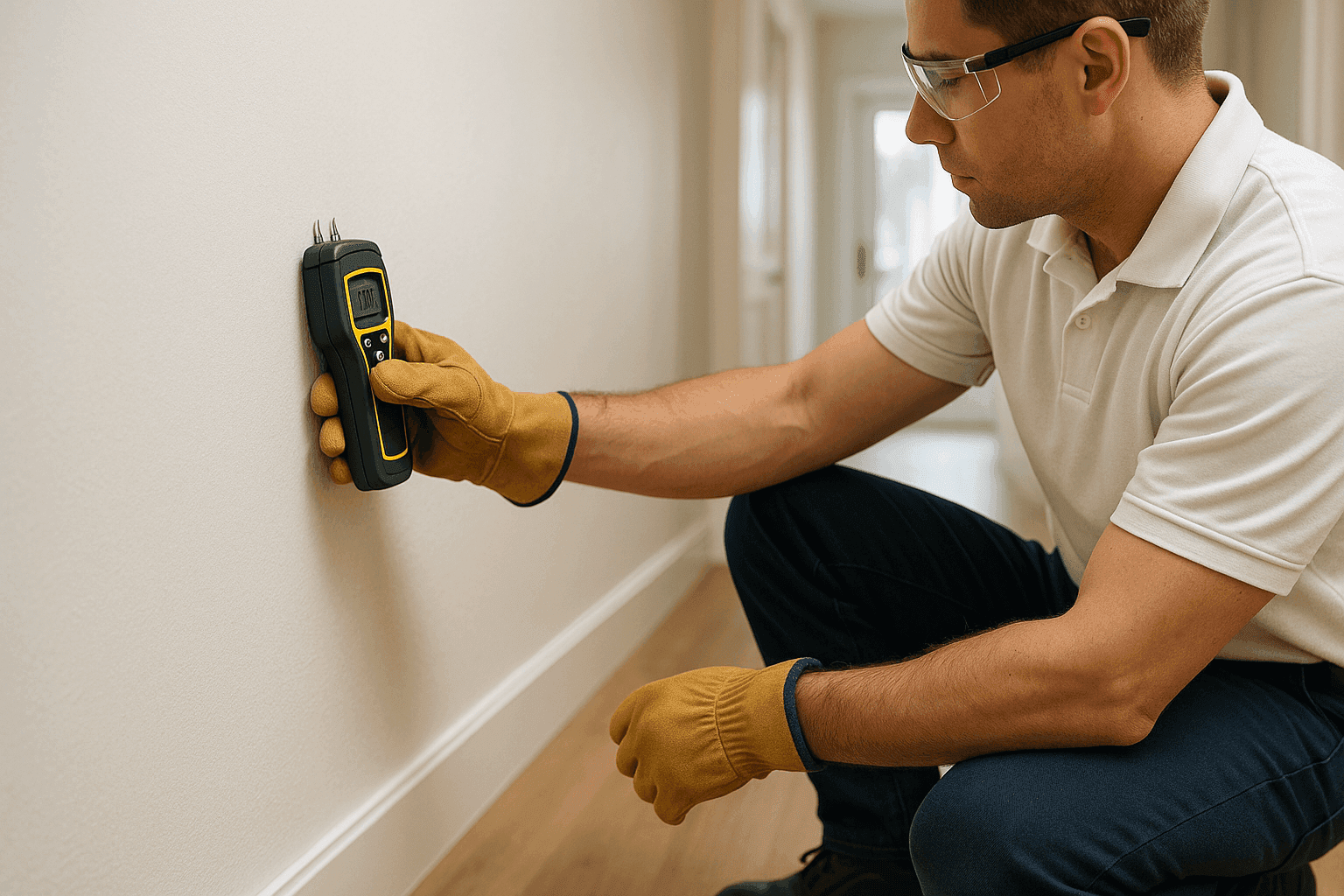
Professional tools—like thermal cameras and moisture meters—can “see” through walls and floors. Sometimes, what’s out of sight is far worse than what you can spot.
What the Pros Do On Arrival
When Peak Restoration arrives, our technicians don’t just eyeball the problem. We use industry-standard diagnostic methods to find every drop of water:
- Moisture Mapping: Using specialized meters, we trace hidden dampness through walls and subfloors.
- Thermal Imaging: Infrared cameras reveal cold spots where water is trapped, even behind insulation.
- Sanitizing and Disinfection: We don’t just dry; we clean and treat to prevent mold and bacteria.
- Structural Assessment: We check for hidden rot or weakened framing, following guidelines from the Institute of Inspection Cleaning and Restoration Certification (IICRC).
- Content Drying: Furniture, rugs, and keepsakes get attention, too.
Our approach is methodical, following safety codes and best practices from sources like the EPA and CDC.
Prevention & Maintenance: Staying Ahead of Trouble
The best way to handle water_damage is to keep it from happening in the first place. Here’s how:
- Clean gutters and downspouts every spring and fall
- Seal windows and doors to prevent rain intrusion
- Check your roof for missing shingles or flashing after storms
- Inspect plumbing regularly for drips or corrosion
- Run dehumidifiers in chronically damp spaces
- Store valuables off the floor in basements or garages
Schedule a professional inspection every couple of years, especially in older homes or after big weather events.
Costs & Time Factors: What to Expect
The price and timeline for water_damage cleanup can vary like the weather. Here’s what typically affects it:
- Size of the affected area: A single wall is faster and cheaper than an entire basement.
- Duration of exposure: Water left for days or weeks breeds mold and structural decay, increasing costs.
- Materials involved: Hardwood and drywall are easier to restore than carpet or insulation soaked through.
- Specialty cleanup: Sewage, mold, or contaminated water require extra steps and safety gear.
Minor surface drying might take a day or two. Deep restoration, especially after mold or structural damage, could take weeks. Insurance may help—check your policy’s water_damage coverage.
When It’s an Emergency 🚨
Some situations require immediate, professional help:
- Standing water in living spaces
- Sewage backups
- Electrical outlets or panels near water
- Rapidly spreading mold
If you’re unsure, err on the side of caution. Fast action keeps your family safe and minimizes repair headaches.
FAQ: Your Water Damage Questions, Answered
Q: How quickly does mold start growing after water damage?
A: Mold can begin within 24–48 hours. That’s why immediate drying and sanitizing is critical.
Q: Can I just paint over a water stain?
A: Painting hides the symptom, not the cause. Always address the source first, or the damage will return.
Q: Do I need to replace wet drywall?
A: Often, yes—especially if it stays wet for more than 48 hours. Wet drywall loses strength and can harbor mold.
Q: Will my homeowner’s insurance cover water damage?
A: Many policies cover sudden, accidental leaks (like burst pipes), but not gradual damage or flooding. Review your policy or ask your agent.
Local and Seasonal Considerations
Every region faces unique water_damage threats. In rainy climates, basements and crawl spaces are at higher risk. Winter brings frozen pipes that can burst without warning. After a summer thunderstorm, attic leaks might go unnoticed for weeks.
If your area gets heavy snow, ice dams can push water under shingles. In hurricane zones, wind-driven rain and flooding test every seal and joint in your home. Tailor your inspections to match local threats—and stay extra vigilant after wild weather.
The smallest water leak can lead to the biggest headaches. If you spot warning signs, don’t wait until things get worse. Call Peak Restoration now — or reach us anytime at 855-506-8593 .