What Does Water Damage Restoration Cost? A Homeowner’s Complete Breakdown
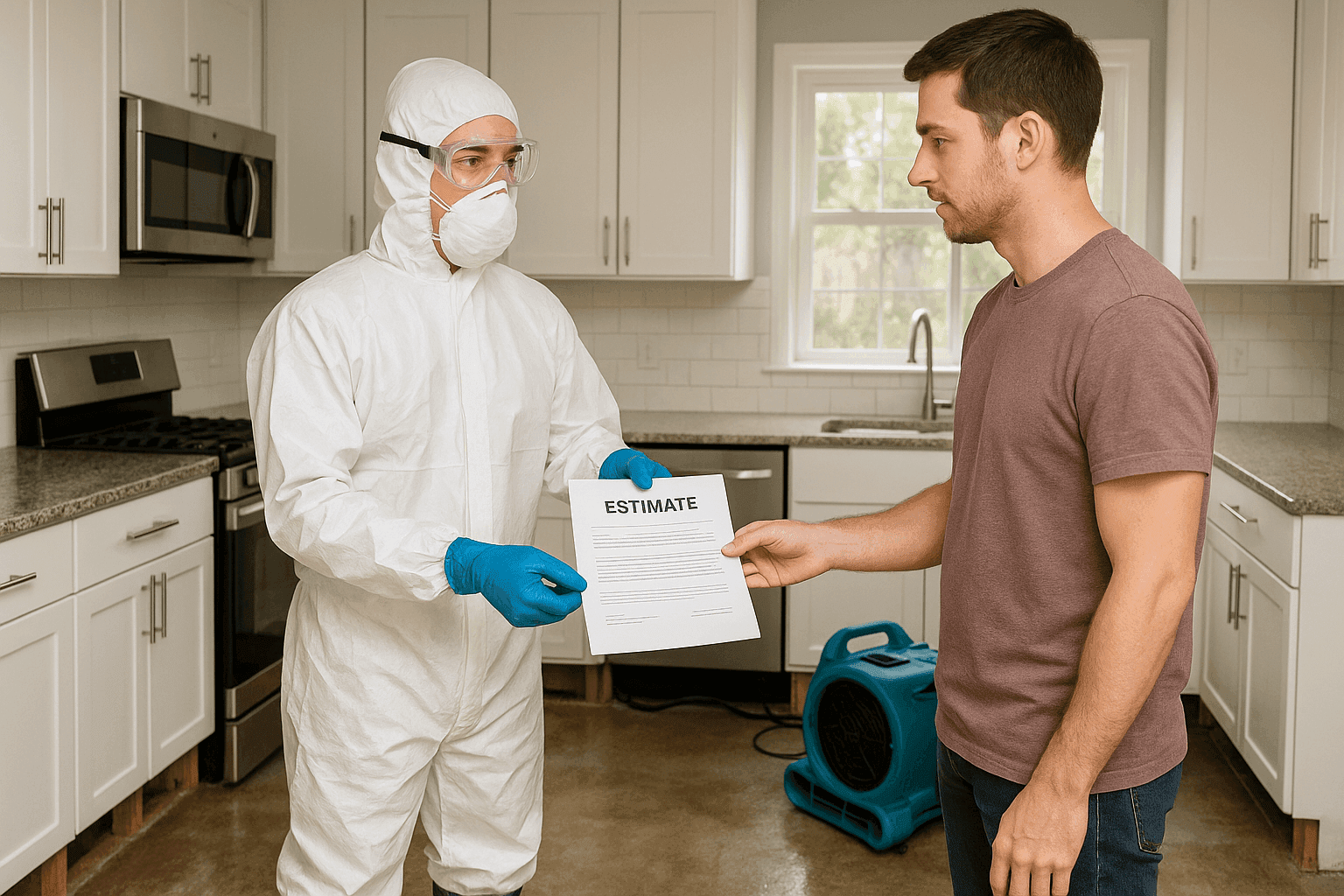
When water invades your home, stress can feel like it’s flooding in too. The last thing you want is a surprise bill—especially when you’re already overwhelmed. At Peak Restoration, we believe clear answers help homeowners catch their breath and choose the best path forward.
Water_damage restoration isn’t just a matter of mopping up puddles. It’s a maze of decisions, costs, and urgent steps. Let’s break down what you can expect, what’s worth your money, and how acting fast can actually save you thousands.
What Happens When Water Damage Hits Home? 🌧️
Imagine it: You walk into the kitchen and your sock squelches. Water is already creeping under the cabinets and pooling behind appliances. Maybe a pipe burst, or a storm found its way in. The clock is ticking.
Water doesn’t just stay put. It seeps. It hides in walls, swells up floors, and can quickly turn a small mess into a major construction project. But what is the real cost to fix it—and what do those restoration bills actually cover?
Quick Safety Checklist Before You Do Anything
Before you even think about costs, check for hazards. Your safety comes first.
- Turn off power: If water is near outlets or appliances, shut off the breaker for that part of the house.
- Watch for slippery surfaces: Wet floors are a fall risk.
- Avoid sewage: If the water is dark or smells foul, it could be contaminated.
- Wear gloves and boots: Protect your skin from bacteria and chemicals.
- Don’t touch mold: Disturbing it can send spores into the air.
If you’re unsure or smell gas, leave immediately and contact emergency services.
DIY vs. Calling a Pro: Where’s the Line?
Some water spills are mop-and-bucket jobs. Others? Not so simple.
DIY is usually safe for:
- Small leaks on hard surfaces (think a sink overflow, quickly spotted)
- Water that hasn’t reached drywall, carpet, or insulation
- No sign of mold, odors, or staining
Call in the pros when:
- Water soaks carpets, walls, or wood framing
- You spot warping, stains, or bubbling paint
- Mold is visible or you smell mustiness
- Sewage or gray water is present
- The leak went unnoticed for hours or days
Timing matters. According to the Institute of Inspection Cleaning and Restoration Certification (IICRC), waiting more than 24–48 hours can turn a manageable cleanup into a full-scale restoration job.
What Do Pros Like Peak Restoration Do When They Arrive?
It’s not just about powerful fans. Here’s what a real restoration team brings:
- Assessment and moisture mapping: Using meters and thermal cameras to find hidden wet spots.
- Water extraction: High-powered pumps and vacuums pull water out fast.
- Content drying: Furniture, rugs, and belongings go to specialized drying stations if needed.
- Structural drying: Industrial air movers and dehumidifiers dry out wood, drywall, and subfloors.
- Odor removal: Filters, foggers, and cleaning agents tackle smells at the source.
- Sanitizing and disinfection: Especially vital after sewage or dirty water.
- Mold remediation: Removing contaminated materials and cleaning spores.
- Repairs and reconstruction: From drywall to flooring, framing, and finish work.
Each step has its own cost—and skipping any can lead to bigger bills down the road.
Prevention & Maintenance: Keeping Water Damage at Bay
The best restoration is the one you never need. Here are ways to lower your risk:
- Inspect plumbing regularly: Look for leaks, rust, or corrosion.
- Clean gutters and downspouts: Prevent overflow during storms.
- Seal windows and doors: Keep out rain and groundwater.
- Know your main shut-off valve: Fast action limits damage.
- Use moisture alarms in basements and under sinks: Early alerts save money.
Refer to local building codes (like the International Residential Code) for guidance on home waterproofing and safety standards.
How Much Does Water Damage Restoration Cost? Breaking Down the Price
Let’s talk numbers. Every home and situation is unique, but here’s what typically shapes the final bill:
1. Type & Severity of Water
- Clean water: From a burst pipe or supply line. Easiest (and cheapest) to fix.
- Gray water: From appliances or bath drains. Requires more cleaning.
- Black water: Sewage or floodwater. Hazmat-level care needed; costs rise fast.
2. Size of the Affected Area
- Small leak (single room): Less drying and repair work.
- Whole floor or basement: More equipment, labor, and replacement materials.
3. Emergency & After-Hours Response
- 24/7 rapid response: Essential, but emergency fees often apply—especially at night or on holidays.
4. Key Service Price Ranges
While exact numbers vary, here’s what homeowners can expect for common services (national averages, per HomeAdvisor and IICRC data):
- Water extraction: $500–$3,000+ (based on volume & access)
- Structural drying & dehumidification: $300–$2,000 (equipment & time)
- Mold remediation: $600–$6,000 (depends on spread & materials)
- Sewage cleanup: $2,000–$10,000+ (hazard pay, extra containment)
- Drywall/flooring repair: $200–$2,000 per room
- Content drying & restoration: $500–$5,000 (salvaging belongings)
- Full reconstruction: $2,000–$20,000+ (major rebuilds)
Note: Extreme cases—like hoarding, major floods, or long-term neglect—can go higher.
5. Insurance & Out-of-Pocket Costs
- Homeowner’s insurance: Usually covers sudden water_damage (like a burst pipe), but not slow leaks or floods.
- Deductibles: You’ll pay this up front—often $500–$2,500 or more.
- Documentation: Save photos, receipts, and all communication for claims.
Always check your policy and ask your agent about coverage specifics before disaster strikes.
6. What’s Usually Included in a Professional Quote
A transparent estimate should detail:
- Inspection and assessment
- Equipment and labor for water extraction, drying, and dehumidification
- Cleaning, sanitizing, and disinfection
- Mold remediation (if needed)
- Content pack-out, drying, and restoration (if applicable)
- Repairs or reconstruction (itemized)
- Disposal of debris and hazardous materials
- Emergency or after-hours charges (if relevant)
If something’s unclear, ask for a written explanation.
Sample Scenario: A Typical Water Damage Emergency
Situation: A burst washing machine hose floods a laundry room and seeps into an adjacent hallway. The water sits for four hours before discovery.
Likely steps & costs:
- Emergency response (evening): $250–$500 surcharge
- Water extraction & drying (two rooms): $1,200–$2,500
- Mold prevention treatment: $150–$400
- Limited drywall and flooring repair: $500–$1,500
- Content drying (clothes, shoes): $200–$500
- Total: $2,300–$5,400 (before insurance)
Prompt action here stopped the damage from reaching bedrooms—saving thousands in mold and reconstruction costs.
When It’s an Emergency: What Drives Up the Bill? ⚡
- Time: The longer water sits, the more it soaks, swells, and breeds mold.
- Hazardous water: Sewage, storm runoff, or chemical contamination require extra care and disposal.
- After-hours or holiday calls: Fast response is crucial but can cost more.
- Hidden damage: Water behind walls or under floors can mean extra demolition and rebuild.
Speed and clear communication are your best tools. The sooner restoration starts, the less you’ll pay in the end.
FAQ: Homeowner Questions, Answered
How soon should I call for help with water_damage?
Within the first 24 hours. Sooner is always better—mold and structural issues can start quickly.
Will my insurance cover everything?
Most policies cover sudden water_damage, but not floods or neglect. Always check your coverage and keep records.
Can I just dry things with fans and skip calling a pro?
Small spills, maybe. But if water reached walls, carpets, or you see mold, professional-grade drying and disinfection are essential.
What if I can’t see any damage, but the room smells musty?
Odors often mean hidden moisture or mold. A pro can use moisture meters and thermal imaging to check behind walls and under floors.
Local & Seasonal Factors: What Else Affects Cost?
- Storm season: Heavy rains or floods can spike demand for “Water Extraction near you.” Emergency crews may be stretched thin.
- Cold climates: Frozen pipes are a top cause of winter water_damage.
- Older homes: May have hidden leaks or weaker materials—harder (and costlier) to restore.
- Humidity: Slows drying and boosts mold risk.
Stay alert to local weather alerts and maintenance reminders. Prevention is always cheaper than restoration.
Water_damage can upend your life, but clear answers help you regain control. Fast, informed action—and the right restoration partner—can turn a crisis into a manageable project.
Call Peak Restoration now — or reach us anytime at 855-506-8593 .