Water Damage Restoration: Essential Steps Homeowners Must Take Immediately
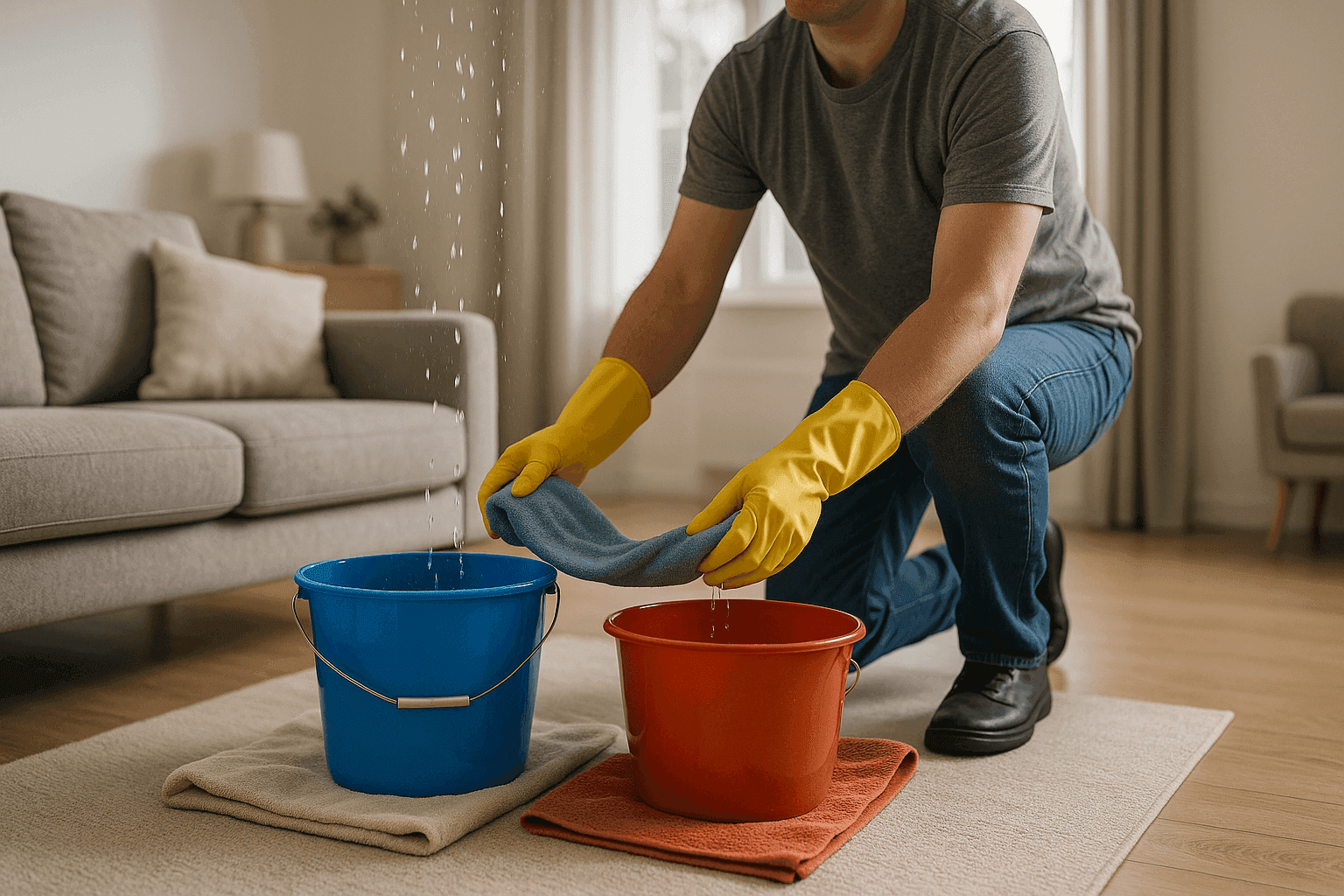
When water invades your home, it doesn’t knock politely. It rushes in—fast, unexpected, and relentless. If you’re reading this while standing ankle-deep in water or staring at a spreading stain on your ceiling, take a breath. Peak Restoration is here to walk you through what matters most, right now.
Every second counts. Acting quickly can mean the difference between a minor headache and a major, costly overhaul. Water_damage doesn’t wait, and neither should you.
Understanding the Problem: What Happens When Water Strikes
Water damage isn’t just a puddle on your hardwood floor. It seeps, creeps, and infiltrates everything it touches—walls, insulation, wiring, family photos, and keepsakes. Within minutes, drywall swells. Flooring warps. In just hours, mold can begin to take hold, turning what looks like a simple cleanup into a full-blown restoration marathon.
From burst pipes and overflowing toilets to storm-driven floods, water_damage can happen to anyone, anytime. The important thing? Recognize the threat, respect it, and respond fast.
Quick Safety Checklist: First Steps for Homeowners ⚡
Personal safety is always the top priority. Here’s what to do before anything else:
- Turn off electricity to affected rooms (only if safe to do so—never step in water near electrical outlets or wires).
- Shut off the main water supply to stop the source if it’s inside your home.
- Avoid using household appliances in wet areas.
- Move children, pets, and vulnerable family members to a dry space.
- Watch for slippery floors, sagging ceilings, or bulging walls—these could signal hidden dangers.
- Wear rubber boots and gloves if you must enter the affected area.
If you smell gas or see sparks, evacuate immediately and call emergency services.
Preventing Further Damage: Fast Moves That Matter
Quick action can stop water_damage from spreading like wildfire through your home.
- Remove valuables, electronics, and important documents from wet zones.
- Place aluminum foil or wood blocks under furniture legs to protect them.
- Blot and mop excess water where possible—but don’t use a standard vacuum.
- Open windows and doors (if weather allows) to help air out the space.
- Pull back curtains and remove area rugs to prevent staining.
Never try to lift waterlogged carpets or move heavy, soaked items on your own. They’re heavier than you think.
DIY Water Extraction Basics: What’s Safe—And What Isn’t
Small leaks or puddles? You might be able to manage the first response:
- Use towels, mops, and buckets to soak up standing water.
- Run fans or a dehumidifier to encourage drying (if it’s safe to use power).
- Set aside soaked items for drying—but don’t try to save everything if it means putting yourself at risk.
Never attempt to extract water from deep carpets, walls, or electrical areas yourself. Hidden moisture can cause dangerous mold growth and structural damage, often out of sight. According to the Institute of Inspection, Cleaning and Restoration Certification (IICRC), improper drying is a leading cause of long-term water_damage.
DIY vs. Call a Pro: Knowing When to Get Help 🛑
Some messes are best left to the experts. Call a professional water_damage restoration team immediately if:
- The affected area is larger than a 3×3-foot patch.
- Water is contaminated (from sewage, stormwater, or unknown sources).
- You suspect mold growth.
- There’s visible damage to walls, ceilings, or structural supports.
- You can’t safely access the area due to electrical or fire hazards.
Professionals, like Peak Restoration, use advanced tools—moisture meters, industrial air movers, and specialized disinfectants—to ensure your home is truly dry and safe.
What to Expect When the Pros Arrive
Here’s how a professional team like Peak Restoration tackles water_damage:
- Rapid assessment: Using moisture mapping and thermal cameras to spot hidden water.
- Water extraction: Industrial vacuums remove standing water—fast.
- Content drying: Salvaging and restoring personal belongings, furniture, and electronics.
- Structural drying: Air movers and dehumidifiers target soaked walls, floors, and framing.
- Sanitizing and disinfecting: Cleaning to prevent bacteria and mold.
- Mold remediation: Stopping mold before it spreads—and removing any that’s already there.
- Repairs and reconstruction: Drywall, flooring, framing, and more, as needed.
Throughout, professionals document every step—helping with insurance claims and peace of mind.
Mold: The Unseen Enemy
Mold spores are like dandelion seeds on the wind—tiny, invisible, and always looking for a damp place to land. Within 24–48 hours of water_damage, mold can begin to grow. It hides behind baseboards, under floors, and inside walls. According to the Environmental Protection Agency (EPA), fast, thorough drying is your best defense.
If you even suspect mold, don’t wait. Professional mold remediation is critical to protect your health and your home.
Homeowner Do’s and Don’ts: Handy Checklist
Do:
- Act quickly.
- Document damage with photos and notes for insurance.
- Save receipts for all cleanup and restoration expenses.
- Keep children and pets away from affected areas.
- Contact your insurance company as soon as possible.
Don’t:
- Use household vacuums or appliances in wet areas.
- Enter rooms with sagging ceilings or buckling floors.
- Attempt to clean up sewage or contaminated water yourself.
- Delay calling for professional help when the situation is beyond your control.
Setting Expectations: Restoration Timelines & Costs ⏳
No two water_damage events are the same. Restoration can take anywhere from a single day (for minor leaks) to several weeks (for severe flooding or structural repairs). Here’s a typical outline:
- Initial drying: 2–5 days, depending on severity.
- Mold remediation: 1–7 days, based on spread.
- Structural repairs: Varies—small repairs in days, major reconstruction in weeks.
Costs depend on the size of the area, the type of water (clean, gray, or black), and how quickly you act. Early intervention usually means lower costs in the long run. For more guidance, refer to the IICRC S500 Standard for Professional Water Damage Restoration.
When It’s an Emergency: Signs You Need Help NOW 🚨
Call for emergency water extraction near you if:
- Water is rising rapidly (flooding).
- There’s a risk of electrical shock or fire.
- Sewage or contaminated water is present.
- You feel overwhelmed or unsafe.
Peak Restoration offers 24/7 service for exactly these situations.
FAQ: Common Questions From Homeowners
How soon should I start cleanup after water_damage?
Immediately—within minutes if possible. The longer water sits, the more damage it causes.
Will my insurance cover water_damage?
Policies vary. Most cover sudden, accidental damage (like burst pipes), but not gradual leaks. Always contact your insurer early.
Can I stay in my home during restoration?
Sometimes, yes—for minor events. For major water_damage, especially with mold or sewage, it’s safer to relocate until restoration is complete.
What about my belongings?
Peak Restoration can assess, dry, and restore many items. Some materials (like soaked mattresses or pillows) may need to be replaced for safety.
Local and Seasonal Considerations 🌧️
Water_damage risks often change with the seasons. Spring thaws bring basement floods. Summer storms overflow gutters and drains. Winter freeze-thaw cycles can burst pipes. Regular maintenance—cleaning gutters, insulating pipes, checking stormwater drainage—reduces your risk.
If you live in an area prone to extreme weather or aging infrastructure, have a plan. Know where your main water shutoff is. Keep Peak Restoration’s contact info handy.
Final Thoughts
Water_damage is overwhelming, but you’re not alone. React fast, stay safe, and remember: some things are best left to the pros. Peak Restoration is ready to help—day or night, rain or shine.
Call Peak Restoration now — or reach us anytime at 855-506-8593 .