Preventing Water Damage: 10 Essential Tips for Every Homeowner
Water_damage doesn’t wait for a convenient time. It sneaks in—sometimes fast, sometimes slow—wrecking memories and walls alike. At Peak Restoration, we’ve seen it all. From tiny leaks that rot a floorboard to thunderstorms that turn basements into lakes. The good news? Most water disasters can be stopped before they ever start.
Here’s your practical, no-nonsense guide to keeping your home—and your peace of mind—dry, safe, and secure.
Why Water Damage Is a Homeowner’s Nightmare
Imagine your home as a ship. Every crack, pipe, and window is a possible leak. Even small drips can sink your comfort—slowly eating away at structure, air quality, and value. The Insurance Information Institute reports water_damage is among the most common and costly claims for homeowners. Mold, warped floors, ruined drywall, and foul odors are just the beginning.
Most people don’t notice the warning signs until it’s too late. That’s why a few simple habits and smart upgrades can make all the difference.
Quick Safety Checklist: Prevent Water Damage at a Glance ✅
Before you settle in for the season, run through this quick checklist:
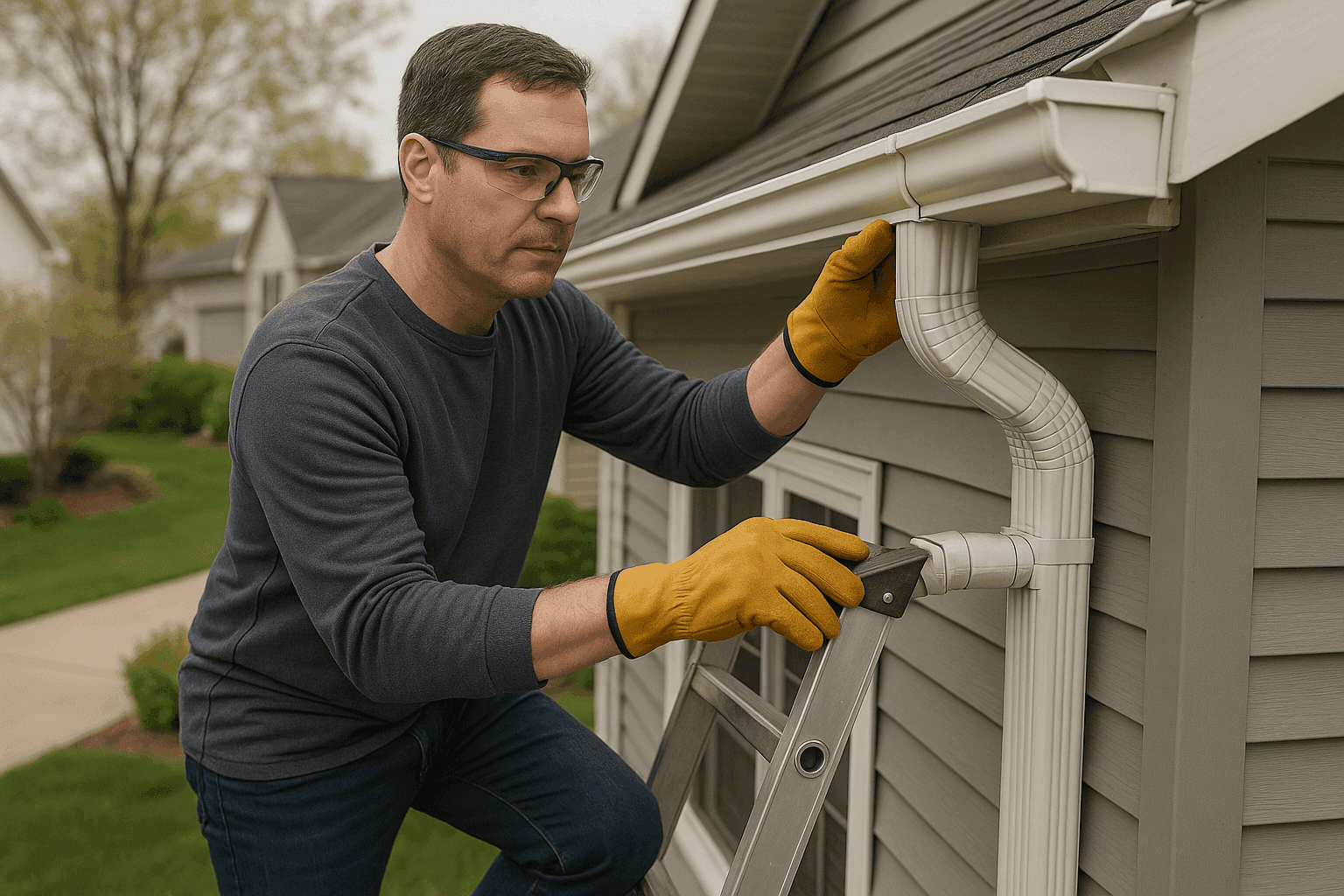
- Inspect gutters and downspouts for clogs and leaks.
- Test sump pumps—pour in water and watch for proper drainage.
- Check appliance hoses (washing machine, dishwasher, fridge) for cracks or bulges.
- Scan ceilings and walls for stains or musty smells.
- Ensure attic insulation is dry and intact.
- Know where every shutoff valve is—main and under sinks.
- Insulate exposed pipes, especially in unheated spaces.
- Grade landscaping to drain water away from your foundation.
- Keep window wells clear of leaves and debris.
- Review your insurance policy for water_damage coverage.
Print this out. Tape it inside your utility closet or next to your breaker panel.
Regular Maintenance: Gutters, Sump Pumps, and Drains 🏠
Think of maintenance like brushing your teeth. Skip it, and you pay later.
Gutters & Downspouts
- Clean gutters twice a year (spring and fall).
- Check for sagging or disconnected sections.
- Make sure downspouts extend at least 5 feet from the house.
Sump Pumps
- Test every three months—especially before heavy rain.
- Consider a battery backup for peace of mind.
- Listen for odd noises or vibrations (signs of trouble).
Drains
- Pour water down rarely used floor or basement drains to keep traps filled and odors out.
- Remove hair and debris from shower and sink drains regularly.
Small investments in time and attention here can prevent major headaches later.
Preparing for Storms: Windows, Landscaping, and Exterior Risks 🌧️
Storms are like uninvited guests—they show up, make a mess, and leave you to clean up.
Windows & Doors
- Seal cracks with exterior-grade caulk.
- Install window well covers for basement windows.
- Check weatherstripping for gaps.
Landscaping
- Trim trees and shrubs away from siding and roof.
- Slope soil away from your foundation—keep at least a 6-inch slope over 10 feet.
- Use gravel or mulch to improve drainage near the house.
Outside Drains
- Keep storm drains clear of leaves, trash, and ice.
- Inspect driveway and patio drains—blockages here can redirect water into your home.
Winterization: Pipes, Insulation, and Shutoff Valves ❄️
Winter weather is tough on pipes. The American Red Cross warns that pipe breaks are one of the leading causes of water_damage in cold climates.
Pipe Insulation
- Wrap foam sleeves around pipes in attics, garages, crawl spaces, and along exterior walls.
- Use heat tape for extra protection in extreme cold.
Shutoff Valves
- Locate and label your main water shutoff.
- Show every family member where it is and how to use it.
- Turn off and drain outside faucets before the first freeze.
Attic and Crawl Space
- Check for gaps or missing insulation.
- Seal any holes where cold air could sneak in.
Going Away? What to Do Before Leaving for Holidays
Vacations should be relaxing—not a reason to worry about water_damage back home.
- Turn off the main water supply if you’ll be gone more than a few days.
- Ask a neighbor to check inside during cold snaps.
- Set the thermostat no lower than 55°F to prevent frozen pipes.
- Unplug appliances and check for leaks before locking up.
- If possible, install a smart leak detector that alerts you to problems.
Many costly disasters happen while homes are empty. A little prep goes a long way.
Common Homeowner Oversights (And How to Fix Them)
It’s easy to miss small warning signs, especially when life gets busy. Here are a few that pros at Peak Restoration spot all the time:
- Ignoring musty or earthy odors (often mold forming behind walls).
- Letting water pool near foundations after rainstorms.
- Not replacing old water heaters—the average lifespan is 8–12 years.
- Forgetting to check attic or crawl space after storms.
- Storing valuables on basement floors instead of shelves.
Fix these, and you’ll be ahead of the curve.
DIY or Call a Pro? Knowing Your Limits
Some water problems are perfect for DIY—tightening a loose hose, cleaning a gutter, or insulating pipes. But when water is pooling, walls are wet, or you suspect mold, it’s time to get help.
- DIY: Small leaks, regular cleaning, installing shutoff alarms.
- Call a Pro: Water Extraction near you, hidden leaks, sewage backups, or anything involving structural or electrical damage.
Remember: Water travels faster than you think, and hidden moisture can lead to mold or rot within days.
What Pros Do On Arrival
When Peak Restoration arrives, you’ll see a rapid, methodical approach:
- Assessment: Moisture mapping and thermal imaging to find hidden water.
- Water Extraction: Fast removal using professional pumps and vacuums.
- Drying & Dehumidification: Industrial fans and dehumidifiers to stop mold before it starts.
- Content Handling: Salvaging and drying belongings.
- Sanitizing & Disinfection: Preventing mold, bacteria, and odors.
- Structural Repairs: Drywall, flooring, framing—whatever’s needed to restore safety.
Certified technicians follow industry standards set by the Institute of Inspection Cleaning and Restoration Certification (IICRC) and Occupational Safety and Health Administration (OSHA).
Prevention & Maintenance: Simple Habits, Big Rewards
Prevention isn’t glamorous, but it pays off. Try these habits:
- Check under sinks and around appliances monthly.
- After heavy rain, inspect your basement and attic for damp spots.
- Replace washing machine hoses every 5 years with braided stainless steel.
- Install water leak detectors near water heaters and laundry rooms.
- Schedule an annual plumbing inspection.
A few minutes each month can save thousands in repairs.
Costs & Time Factors: What to Expect
Water_damage restoration costs vary. Cleanup for a minor leak is less than a full basement flood or mold remediation. The more you prevent, the less you pay.
- Time: Minor drying jobs may take 1–3 days; major restoration or reconstruction can take weeks.
- Cost: Repairs depend on the size of the affected area, category of water (clean, gray, or black), and how quickly the problem was addressed.
Home insurance may cover sudden, accidental water_damage—but not neglect or lack of maintenance. Always check your policy.
When It’s an Emergency 🚨
Don’t wait. If you see water pouring in, sewage backing up, or smell gas or burning, act fast:
- Shut off water at the main valve.
- Turn off electricity to affected areas (if safe).
- Move valuables and electronics out of harm’s way.
- Call professionals for Water Extraction near you and immediate help.
Never enter standing water if electrical hazards are present.
Frequently Asked Questions
How can I tell if water damage is hidden?
Look for bubbling paint, warped floors, musty smells, or unexplained high water bills. If you suspect a hidden leak, contact a pro for moisture mapping.
What’s the best way to prevent frozen pipes?
Insulate exposed pipes and keep your home above 55°F—even when away. Open cabinet doors under sinks to let warm air reach pipes.
Does homeowners insurance always cover water_damage?
Not always. Insurance usually covers sudden, accidental incidents (like burst pipes). It may not cover gradual leaks or lack of maintenance. Review your policy carefully.
What’s the first thing to do after a flood?
Stay safe. Shut off the main water, avoid electrical hazards, and call Peak Restoration as soon as possible.
Local & Seasonal Risks: Stay Ahead Year-Round
Every region has its quirks. In snowy climates, frozen pipes are the enemy. In rainy areas, sump pumps and gutters are your best friends. Summer storms can overwhelm city drains, and fall leaves can clog gutters fast.
Consult local building codes or your town’s emergency management office for seasonal guidance. The Federal Emergency Management Agency (FEMA) and the American Red Cross both maintain excellent homeowner resources for flood safety and prevention.
Print-Friendly Water Damage Prevention Checklist
- Clean gutters (spring & fall)
- Test sump pump (quarterly)
- Check appliance hoses (biannually)
- Inspect for stains or musty smells (monthly)
- Know main shutoff location (now!)
- Insulate pipes (before winter)
- Slope soil away from house (annually)
- Clear window wells & outside drains (before storms)
- Confirm insurance coverage (yearly)
- Install leak detectors (as budget allows)
Tape this in your utility room. Share it with neighbors. Prevention is everyone’s business.
Small habits now can prevent big headaches later. If water_damage ever finds its way in, Peak Restoration is here—24/7—for fast, reliable help.
Call Peak Restoration now — or reach us anytime at 855-506-8593 .